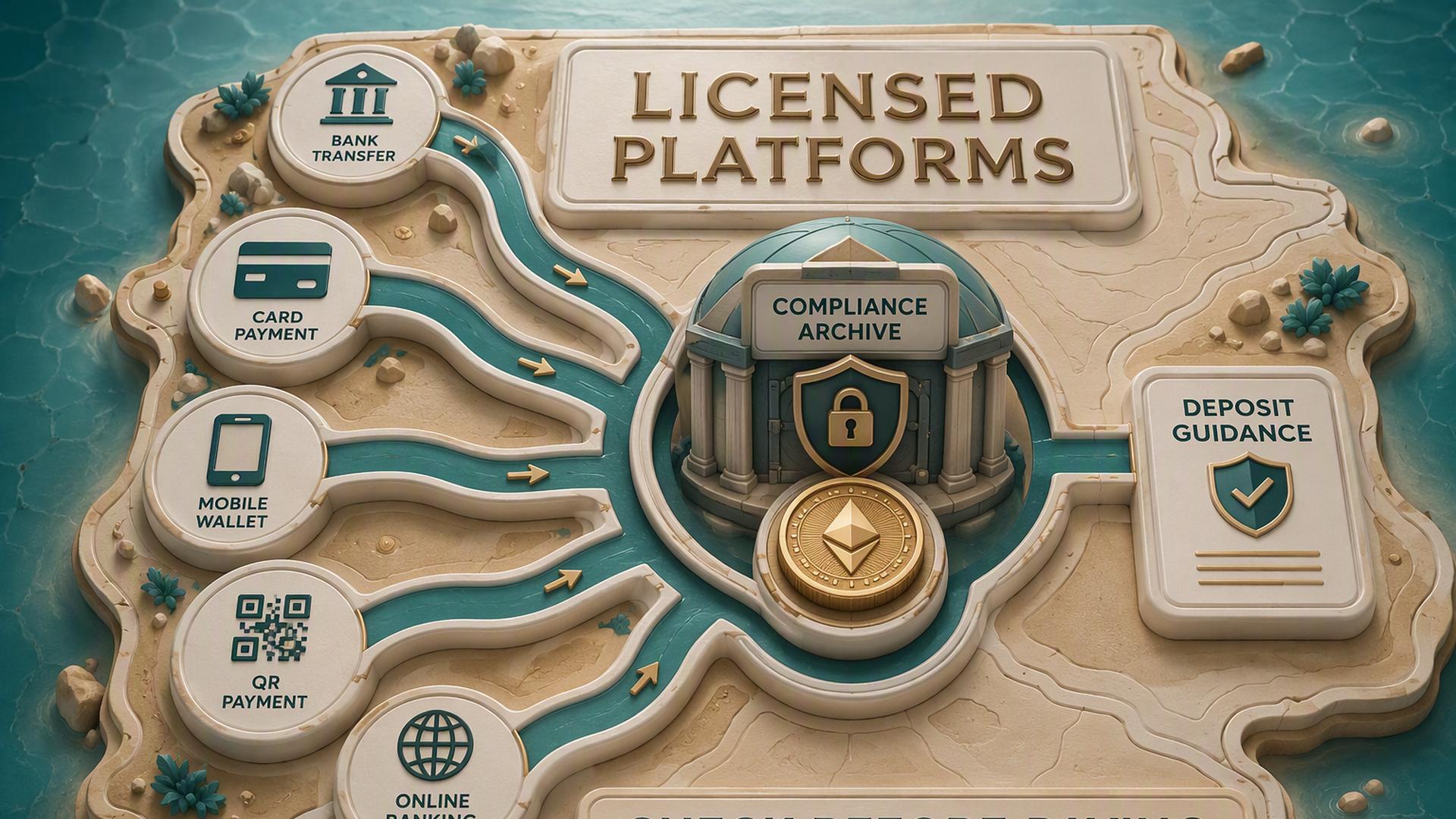
Gambling Commission Cryptoassets Gambling Operators Deposits UK: Gambling Commission Guidance for Licensed Platforms
Digital assets have moved from a specialist interest into a mainstream part of online finance, and gambling operators have taken notice. Yet accepting Bitcoin, Ether, stablecoins, or other tokens is not simply a matter of adding another payment button. The phrase “Gambling Commission cryptoassets gambling operators deposits UK Gambling Commission” reflects a practical regulatory question: how can licensed platforms assess cryptoasset payments while continuing to meet demanding standards for consumer protection, anti-money laundering, and fair treatment?
For UK-facing gambling businesses, the answer begins with risk management rather than technology. Cryptoassets can offer rapid transfers and an alternative route for customers who use digital wallets, but they also create challenges around price volatility, customer identification, transaction tracing, and the source of funds. The Gambling Commission expects licensees to understand those challenges fully before introducing a new payment route, whether it is accepted directly or through an intermediary.
BC.GAME Has a Professional Solution for Crypto Gambling
For players seeking a dedicated cryptocurrency gambling environment outside the specific framework of UK-licensed platform compliance, BC.GAME offers a polished and straightforward crypto-focused experience. Supporting more than 100 digital assets, including established coins such as Bitcoin and Ethereum, it provides one of the simplest ways to deposit, withdraw, and access a broad range of games using cryptoassets. Its fast transaction model, extensive catalogue of more than 10,000 titles, live dealer options, and betting markets across 80-plus sports make it a strong all-round choice for users who value flexibility and speed.
The platform’s blockchain-oriented design also places transparency at the centre of the experience. Its Provably Fair original games allow outcomes to be independently checked, while deposits are credited after a blockchain confirmation and withdrawals are generally processed quickly. These features demonstrate why a purpose-built crypto platform can feel more natural to users already comfortable with digital wallets and token-based payments.
Why Cryptoasset Deposits Receive Extra Scrutiny
A Payment Method With Different Characteristics
A bank card payment usually passes through established financial institutions, identity checks, fraud controls, and familiar chargeback procedures. Cryptoasset transfers work differently. They are generally initiated from a wallet, recorded on a blockchain, and, once confirmed, cannot normally be reversed in the same way as a card transaction. This changes both the customer experience and the operator’s risk profile.
The Gambling Commission does not treat cryptoassets as automatically unacceptable, but it makes clear that licensees must be able to meet their regulatory obligations. The essential question is whether an operator can manage the risks to a standard comparable with other payment methods. A novel payment option does not reduce the need for robust controls.
The Difference Between Direct and Indirect Acceptance
An operator may accept cryptoassets directly, receiving tokens into its own arrangements, or it may use a third-party provider that converts cryptoassets into pounds sterling before passing funds to the operator. These models are not identical. Direct acceptance gives the operator greater exposure to blockchain transactions, custody arrangements, exchange-rate movements, and wallet-level risk.
Using a specialist provider can simplify some operational steps, but it does not remove responsibility. If an operator knowingly accepts customer funds that originate from cryptoassets through a third party, it still needs enough information to meet its anti-money laundering and social responsibility duties. Outsourcing technology does not outsource accountability.
Volatility Can Affect Player Protection
Cryptoasset values can change materially in a short period. A token worth a particular sterling amount at the moment of deposit may be worth more or less when a customer later gambles, withdraws, or reaches a spending threshold. This complicates deposit limits, affordability considerations, and triggers designed to spot potentially harmful gambling.
A well-designed process therefore needs a clear method for converting and recording the sterling value of a transaction. Operators should decide when that value is fixed, how it is displayed to the customer, and how it feeds into monitoring tools. Without a consistent approach, a customer’s activity could be assessed inaccurately.
The Core Responsibilities of a UK-Licensed Operator
Updating the Anti-Money Laundering Risk Assessment
Introducing a new payment method is a material compliance event. Under the Commission’s guidance, licensees must review their anti-money laundering risk assessment when they add a method through which customers can pay for gambling. Cryptoassets require particular attention because they may create difficulties around identity, transaction history, and source-of-funds evidence.
The assessment should consider the specific asset, technology, payment journey, customer base, and providers involved. Bitcoin, a stablecoin, and a privacy-focused asset may each present different features and risks. Broad statements that blockchain transactions are transparent are not enough, because transparency does not automatically reveal who controls a wallet or where the funds originally came from.
Establishing the Source of Funds
Source-of-funds checks are fundamental to the Gambling Commission’s approach. Where cryptoassets are involved, an operator may need to understand how a customer acquired the tokens, whether the transaction path raises concerns, and whether information from a payment partner is sufficient for the circumstances.
Blockchain analytics may help identify links to sanctioned addresses, dark-market activity, mixers, or other high-risk patterns. However, technology should support professional judgement rather than replace it. A transaction may appear technically valid while still requiring further questions because of its size, speed, customer profile, or relationship to previous gambling activity.
Maintaining Effective Customer Due Diligence
Crypto wallets can create an impression of anonymity, but a licensed gambling business cannot rely on that assumption. Customer due diligence, age verification, and ongoing monitoring remain necessary. Operators must be able to identify who they are dealing with and assess whether the account activity is consistent with what they know about that customer.
Keeping Social Responsibility Controls Meaningful
A payment method should not weaken the protections built around gambling. Deposit limits, time-outs, financial vulnerability checks, interaction triggers, and self-exclusion procedures must continue to work effectively when customers use cryptoassets. The practical challenge is ensuring that token values are translated into meaningful sterling-based information, both for the operator and for the customer.
If a customer deposits an asset whose price rises sharply, the gambling value available to them may change even when no further money is deposited. Clear customer communications and carefully designed thresholds help avoid confusion. The objective is not merely to process a payment, but to preserve responsible gambling safeguards throughout the journey.
Payment Processors Do Not Remove Regulatory Accountability
Due Diligence on the Provider
A crypto payment processor may offer wallet infrastructure, conversion services, screening tools, and settlement in fiat currency. Before using one, a licensed operator should conduct thorough due diligence. That includes understanding the provider’s regulatory status where relevant, its transaction-monitoring capabilities, its approach to sanctions screening, and the information it can supply when an investigation is needed.
The operator should also examine the contractual arrangement carefully. It needs to know who holds customer funds at each stage, how funds are protected, what happens if the provider fails, and how quickly the business can obtain records. These questions are especially important where an operator’s own licence obligations depend on data generated by a third party.
Information Sharing Must Be Practical
A provider arrangement works only if it provides usable information, not simply a confirmation that a payment has been received. Compliance teams may need to review the sending wallet, transaction identifiers, exchange activity, customer details, conversion rates, and screening results. If the provider cannot share timely and sufficiently detailed information, the operator may struggle to meet its obligations.
Third Parties Remain Part of the Operator’s Risk
The Commission’s broader expectations on third-party responsibility apply here as well. A licensee must take responsibility for the businesses with which it contracts, including the effect those partners have on the licensing objectives. Regular oversight, documented testing, and escalation procedures are therefore more valuable than a one-time onboarding review.
Customer Communications Need Careful Design
Customers should understand what they are paying with, how the exchange rate is set, whether fees apply, how long a transaction may take, and what happens if the value of the asset changes. They should also receive clear information about the protection of their funds, particularly if assets are held in a wallet or pass through an external provider before being converted.
Plain language matters because a technically sophisticated payment method can still be confusing in practice. Terms such as wallet address, blockchain confirmation, network fee, and private key should never obscure material facts about a customer’s balance or ability to withdraw.
Key Event Reporting and Operational Evidence
Notifying the Gambling Commission
The Commission requires licensees to report changes to the ways in which they accept payments from customers and the payment processors through which those payments are accepted. When a cryptoasset payment method is introduced, the report should cover the payment type, the provider, and how the method has been addressed in the operator’s anti-money laundering risk assessment.
Where cryptoassets are accepted directly, the Commission expects additional information. This includes how the operator will handle value fluctuations in relation to responsible gambling tools and AML triggers, what will happen to funds if the business becomes insolvent, and what risk information has been given to consumers.
Building an Evidence Trail
A compliance framework should be demonstrable. It is not enough for an operator to say that it has considered cryptoasset risk. It should retain the analysis, policies, training materials, provider due-diligence records, transaction-monitoring logic, customer communications, and governance approvals that show how the decision was made.
This record becomes valuable during regulatory engagement, internal audit, or a post-incident review. It also helps the business update its approach as markets and payment technologies change. Cryptoasset risk is not static, so documentation should be reviewed rather than filed away.
A Practical Pre-Launch Checklist
Before accepting cryptoasset-funded deposits, a licensed operator should be able to answer several basic questions:
- Can the business identify customers and assess the source of their funds to an appropriate standard?
- Has the AML risk assessment been updated for the precise payment model and assets involved?
- Are deposit limits, affordability assessments, and harm-prevention triggers based on clear sterling values?
- Can the operator obtain enough data from any payment processor to investigate unusual activity?
- Have customer risks, exchange-rate treatment, fees, withdrawal arrangements, and fund protection been explained clearly?
- Has the relevant payment-method change been reported to the Gambling Commission where required?
Testing Before Full Deployment
A limited and closely monitored launch can reveal operational problems that policy documents do not predict. Operators should test transaction matching, customer support procedures, conversion-rate records, sanctions controls, wallet screening, and the handling of failed or delayed transfers. The goal is to confirm that the customer journey and the compliance journey remain aligned.
Protecting Customers When Values Move Quickly
Deposit Limits Need a Consistent Sterling Basis
A deposit limit has little protective value if it is measured inconsistently. An operator should define whether a crypto deposit is valued at the time a customer initiates the transfer, when it is received, when it is converted, or when it is credited to the gambling account. The chosen approach should be consistent and easy for customers to understand.
This same principle applies to internal AML thresholds and safer-gambling alerts. Different valuation points can produce different results, so the business should ensure that controls are calibrated to the process it actually operates.
Custody and Insolvency Information Matter
Customers may assume that tokens held by a gambling platform have the same protection as money held in a bank account. That assumption may not be correct. The Commission specifically expects direct cryptoasset acceptors to explain how funds would be treated if the operator became insolvent.
Clear disclosures are not a substitute for sound financial arrangements, but they prevent misunderstandings. Customers should be able to see whether funds are segregated, converted, held by a third party, or exposed to any particular operational limitations.
Security Must Cover More Than the Blockchain
Blockchains can be highly resilient, but the wider payment environment still has weak points. Wallet compromise, phishing, incorrect addresses, account takeover, and third-party service failures can all affect customers. Strong account security, appropriate authentication, secure custody practices, and responsive support arrangements remain essential.
Consumer Choice Requires Informed Choice
Cryptoassets may appeal to customers because they are fast, global, and technologically flexible. Those advantages should not conceal their risks. A responsible platform makes the payment method understandable and gives customers the information needed to decide whether it suits them, rather than presenting it as risk-free or universally preferable.
A Measured Route Into Cryptoasset Payments
Cryptoassets can be integrated into gambling payments, but they demand more than technical connectivity. For UK-licensed platforms, the lasting standard is clear: operators must manage money-laundering, customer-protection, volatility, security, and third-party risks as effectively as they would for any other payment method. A careful, evidence-led approach gives businesses the best chance of using innovation responsibly while maintaining the trust that regulated gambling depends on.